

There’s a special magic in baking a classic. Today, we’re making perfect Garibaldi Biscuits, those wonderfully crisp, currant-studded British treats. Forget the store-bought version; the homemade kind, with its buttery snap and bursts of fruit, is in a league of its own.
This isn’t just a recipe; it’s a passport to a simpler, delicious ritual. Honestly, the process of making these iconic “squashed fly biscuits” is as satisfying as the first bite dunked in tea. They come together with humble ingredients, a bit of rolling, and before you know it, your kitchen smells like a proper bakery. Let’s dive into why these simple Garibaldi Biscuits deserve your time and how to get them just right.
WHY MAKE THIS RECIPE
A Delicious Slice of Baking Heritage
First off, baking Garibaldi Biscuits is a delightful brush with history. Created in 1861 and named for an Italian general, these biscuits have been a British teatime staple for over 160 years. That charming, slightly macabre nickname “squashed fly biscuits” comes from the dark currants peeking through the golden dough.
By baking them, you’re keeping a wonderful culinary tradition alive. Moreover, their flavor profile is timeless and universally appealing: the sweet tang of currants against a plain, buttery, not-too-sweet base is a combination that comforts across generations.
Unbeatable Simplicity and Satisfaction
Secondly, this Best Tips for Flawless Garibaldi Biscuits recipe is a testament to the beauty of simplicity. You don’t need any fancy equipment or hard-to-find ingredients. It’s an excellent recipe for beginner bakers or a fun, manageable project to do with kids.
The steps are straightforward: make a simple dough, roll it out, add fruit, and bake. The reward, however, feels immense. There’s a profound satisfaction in pulling a tray of homemade Garibaldi Biscuits from your own oven, their edges perfectly golden. They prove that the best treats often come from the most straightforward processes.
Print
Garibaldi Biscuits Recipe
- Total Time: 30 minutes
- Yield: 20 biscuits 1x
- Diet: Vegetarian
Description
Classic British Garibaldi biscuits, also known as squashed fly biscuits, made with crisp pastry and sweet currants for a nostalgic teatime treat.
Ingredients
- 225 g all-purpose flour
- 150 g cold unsalted butter, cubed
- 100 g caster sugar
- 1 tsp baking powder
- 1/4 tsp salt
- 100 g currants
- 2–3 tbsp cold milk
- 1 egg, beaten (for glazing)
- Granulated sugar, for sprinkling
Instructions
- 1. Preheat the oven to 190°C (375°F) and line a baking tray with parchment paper.
- 2. In a bowl, rub the cold butter into the flour until the mixture resembles fine breadcrumbs.
- 3. Stir in the caster sugar, baking powder, and salt.
- 4. Add the currants and mix until evenly distributed.
- 5. Add the milk a little at a time and bring the mixture together into a soft dough.
- 6. Roll the dough out on a lightly floured surface into a rectangle about 5 mm thick.
- 7. Fold the dough in half to sandwich the currants, then roll gently again to seal.
- 8. Cut into rectangular biscuits and place them on the prepared baking tray.
- 9. Brush the tops with beaten egg and sprinkle with granulated sugar.
- 10. Bake for 12–15 minutes, until golden brown.
- 11. Allow to cool on a wire rack before serving.
Notes
- Garibaldi biscuits keep well in an airtight container for up to 5 days.
- You can substitute raisins or sultanas for currants if preferred.
- Serve with tea for a traditional British experience.
- Prep Time: 15 minutes
- Cook Time: 15 minutes
- Category: Biscuits
- Method: Baking
- Cuisine: British
Nutrition
- Serving Size: 1 biscuit
- Calories: 120
- Sugar: 6 g
- Sodium: 60 mg
- Fat: 6 g
- Saturated Fat: 3.5 g
- Unsaturated Fat: 2 g
- Trans Fat: 0 g
- Carbohydrates: 15 g
- Fiber: 1 g
- Protein: 2 g
- Cholesterol: 20 mg
Keywords: Garibaldi biscuits, currant biscuits, British baking
HOW TO MAKE GARIBALDI BISCUITS
Ingredients: Garibaldi Biscuits
- 225g (about 1 ¾ cups + 2 tbsp) all-purpose flour, plus extra for dusting
- ½ tsp baking powder
- 50g (¼ cup) caster sugar (superfine sugar)
- 115g (½ cup) cold unsalted butter, cubed
- 3-4 tbsp cold milk
- 100g (⅔ cup) currants (or finely chopped raisins)
- 1-2 tbsp additional milk, for brushing
- 1-2 tbsp granulated or demerara sugar, for sprinkling
Directions: STEP BY STEP
Step 1: Prepare the Dough
Begin by sifting the flour and baking powder into a large bowl. Stir in the caster sugar.
- Add the cold, cubed butter. Using your fingertips, quickly rub the butter into the flour until the mixture resembles fine breadcrumbs. The key is to keep everything cool and avoid overworking it.
- Next, gradually add the cold milk, a tablespoon at a time, mixing with a blunt knife or fork until the dough begins to clump together. Gently knead it into a smooth ball with your hands.
- Wrap the dough in cling film and chill in the refrigerator for 15-20 minutes. This rest relaxes the gluten and firms up the butter, which is crucial for a flaky texture.
Step 2: Assemble the Biscuits
You can carefully use your work surface.
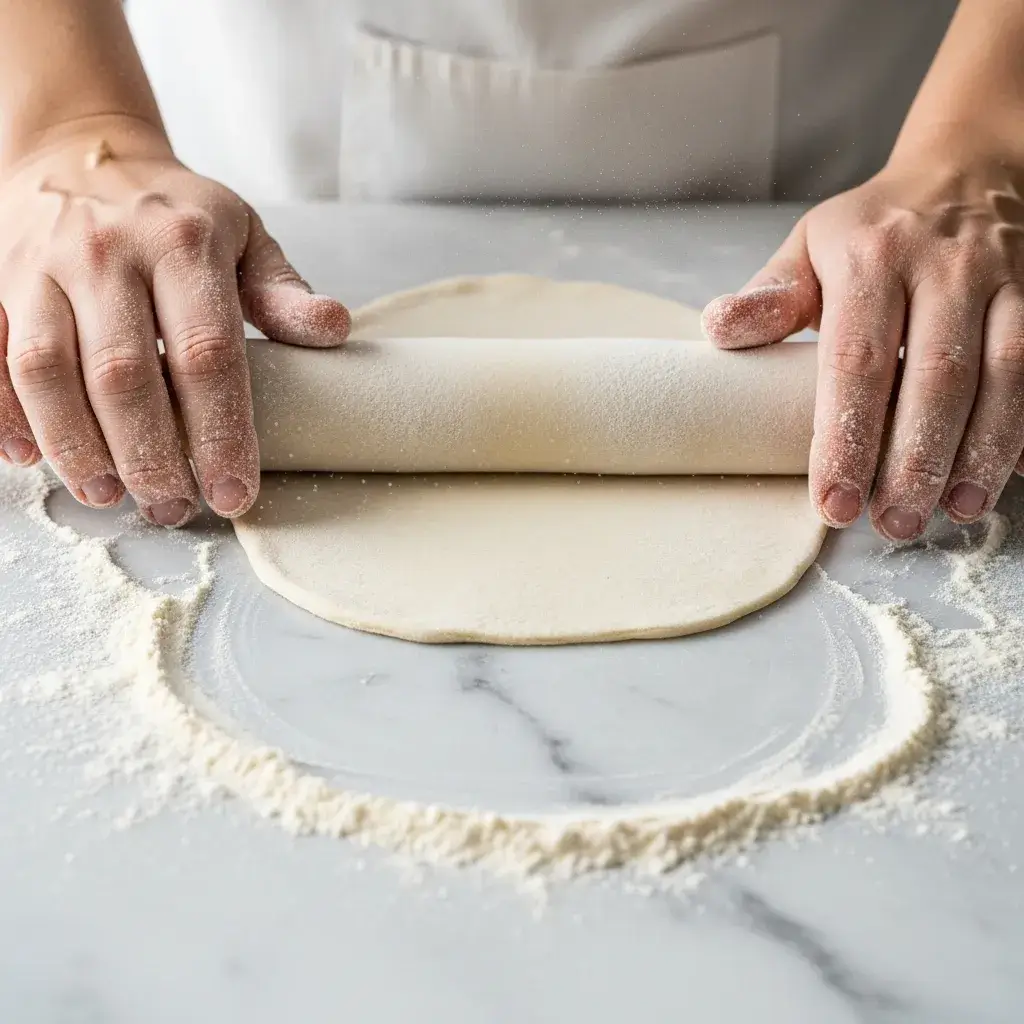
- Divide the chilled dough into two halves. Roll out the first piece into a neat rectangle, roughly 20cm x 30cm (8″ x 12″) and about 3mm (⅛ inch) thick. Scatter the currants evenly over the surface, leaving a small border around the edges.
- Gently press them down so they adhere. Roll out the second piece of dough to the same size. Carefully lift it and place it over the currant-covered base.
- Lightly roll your pin over the top to seal the two layers together. Use a sharp knife to trim the edges straight. This creates neat biscuits and seals the sides. You now have one large, filled rectangle.
Step 3: Cut, Dock, and Bake
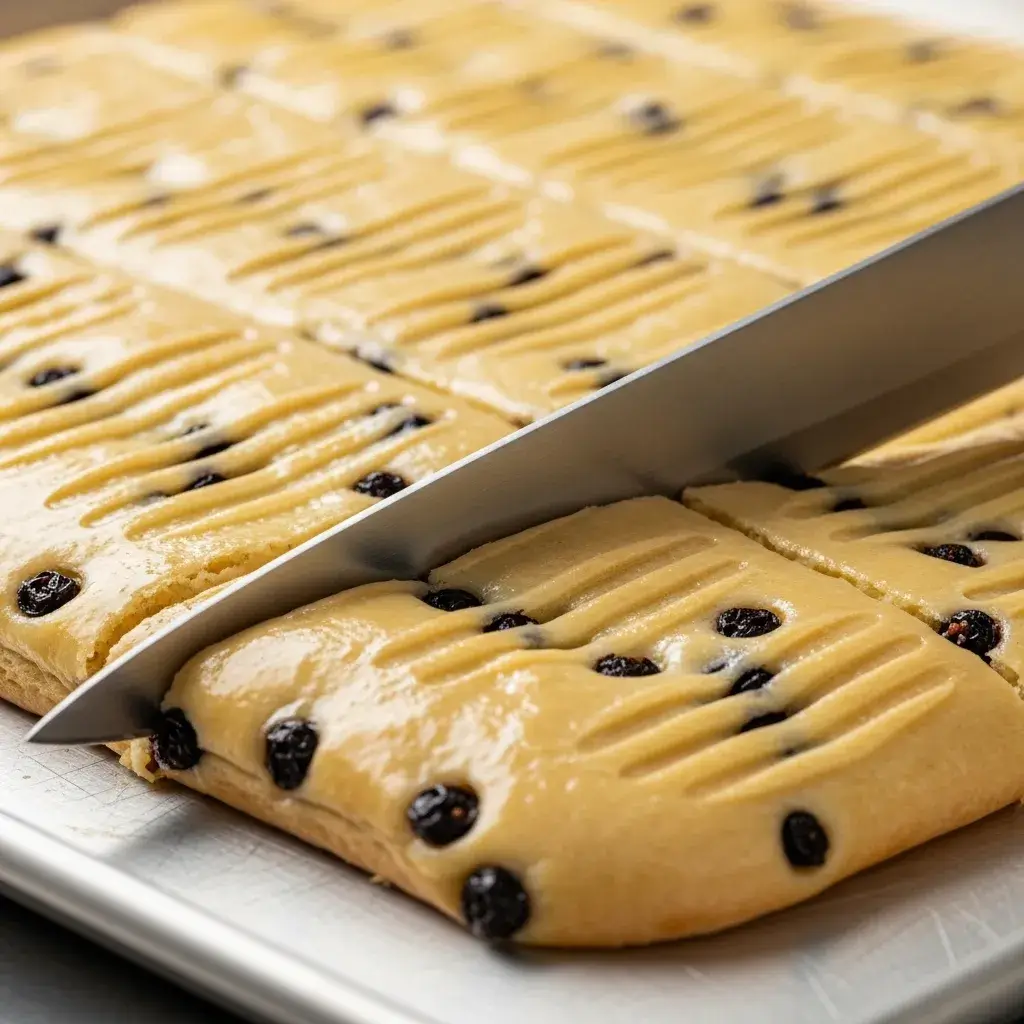
Preheat your oven to 180°C (350°F) and line a baking sheet with parchment paper. Cut the large rectangle into smaller fingers or squares. Traditional Garibaldi Biscuits are about 5 x 2.5 cm (2″ x 1″).
Now, take a fork and dock (prick) the top of each biscuit thoroughly. This step is non-negotiable; it allows steam to escape and prevents the biscuits from puffing up, ensuring they stay flat and crisp. Transfer the biscuits to the prepared sheet, brush the tops lightly with milk, and sprinkle generously with coarse sugar.
Step 4: Bake to Perfection
Bake for 12-15 minutes, or until the biscuits are a consistent light golden brown all over. They will still feel slightly soft when you take them out, but will crisp up beautifully as they cool. Let them cool on the baking sheet for 5 minutes before transferring them to a wire rack to cool completely. Patience is a virtue; here a fully cooled Garibaldi Biscuit delivers the perfect satisfying snap.
NUTRITION AND HEALTH CONSIDERATIONS
Understanding the Treat
Let’s be clear: Garibaldi Biscuits are a cherished treat, not a health food. A typical biscuit provides energy primarily from carbohydrates in the flour and sugar. The currants contribute a small amount of dietary fiber, iron, and potassium.
On the other hand, they contain butter and sugar, so they are best enjoyed mindfully as part of a balanced diet. The beauty of homemade is knowing exactly what’s inside, no artificial preservatives, colors, or unknown fats.
Mindful Modifications
If you’re looking for a slightly healthier twist, you can experiment. Try substituting half the all-purpose flour with whole wheat flour for added fiber. You can also slightly reduce the sugar in the dough, as the currants and the sugar sprinkle on top provide ample sweetness. Ultimately, enjoying one or two homemade Garibaldi Biscuits with a cup of tea is a conscious, pleasurable act that fits perfectly into a balanced lifestyle.
HOW TO SERVE GARIBALDI BISCUITS
The Classic Pairing
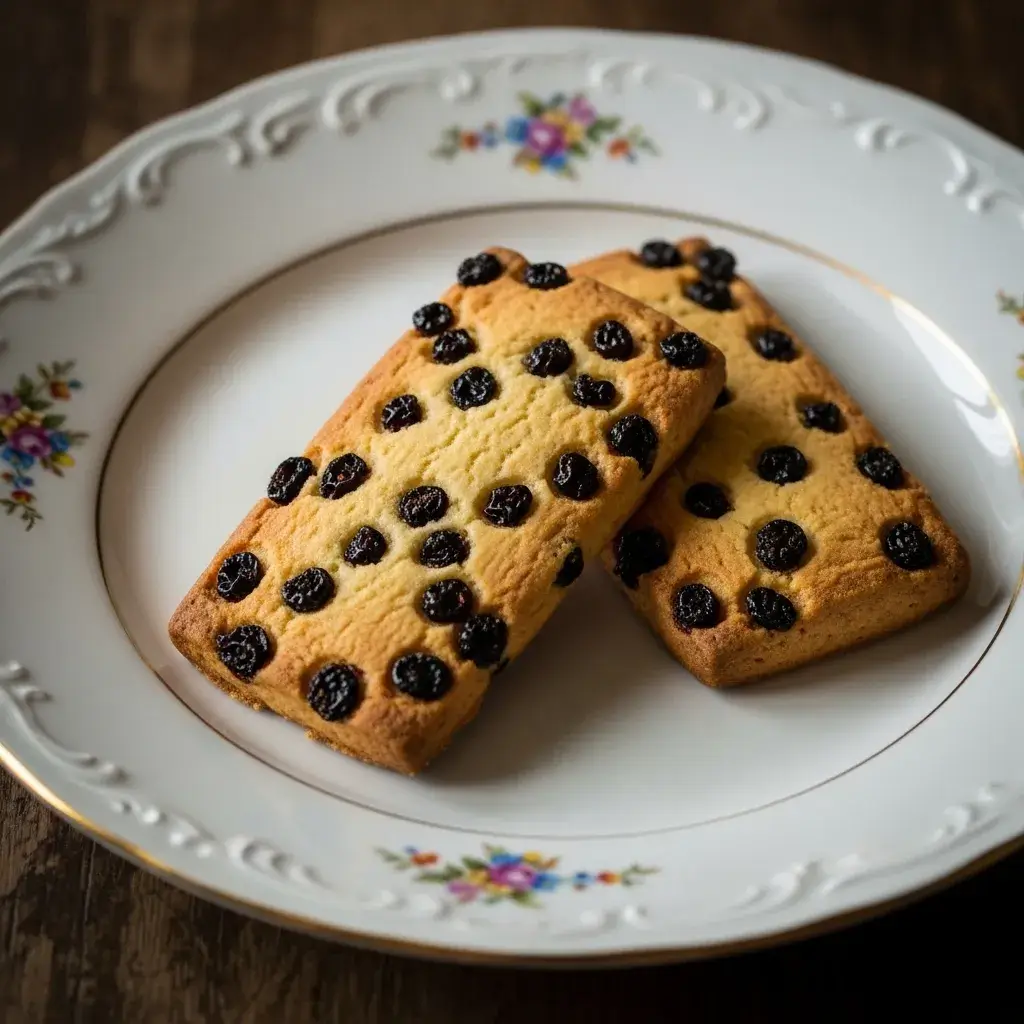
The undisputed champion of pairings for Garibaldi Biscuits is a hot pot of strong black tea. English Breakfast or Earl Grey are ideal. The astringency of the tea cuts through the butteriness of the biscuit, and the crisp texture is made for dipping. Similarly, a good cup of coffee makes a fine companion for an afternoon break.
Creative Serving Ideas
While perfect on their own, these biscuits are versatile. For a simple dessert, serve them alongside a scoop of vanilla ice cream or a dollop of clotted cream. Crumble them over morning yogurt or porridge for a crunchy topping. For a fun twist, use cookie cutters to make different shapes before baking, especially if making them with children.
| Serving Occasion | Perfect Pairing | Why It Works |
|---|---|---|
| Afternoon Tea | Pot of Earl Grey Tea | The citrus notes of bergamot complement the fruitiness of the currants. |
| Lunchbox Treat | Packed in an airtight container | A sturdy, non-messy homemade snack that travels well. |
| Simple Dessert | Vanilla Ice Cream | The warm, crisp biscuit with cold, creamy ice cream is textural heaven. |
| Weekend Breakfast | Fresh Fruit Salad | Adds a baked, wholesome element to a fresh and light meal. |
HOW TO STORE GARIBALDI BISCUITS
Keeping Them Crisp
The enemy of a perfect Garibaldi Biscuit is moisture. First, ensure they are completely cooled. Any residual warmth will create steam in the storage container. Then, transfer them to an airtight container, a biscuit tin, or a jar with a rubber seal is ideal. Stored properly at room temperature, they will stay crisp and delicious for up to one week.
Reviving Soft Biscuits
If your biscuits lose their snap (perhaps due to humidity), you can easily revive them. Spread them in a single layer on a baking sheet and warm them in a preheated oven at 150°C (300°F) for 3-5 minutes. Turn the oven off and let them cool inside with the door ajar. This will drive out the moisture and restore their crisp texture. I do not recommend freezing the baked biscuits, as the texture of the currants can suffer.
TIPS TO MAKE GARIBALDI BISCUITS
Tips and Notes: Your Baking Companion
- Cold is Key: Keep your butter and milk cold. This ensures the butter melts during baking, creating steam pockets for a flaky texture.
- Don’t Overwork the Dough: Mix just until it comes together. Over-kneading develops gluten, leading to tough biscuits.
- Dry Your Fruit: If your currants are sticky, give them a light dusting of flour from your measured amount. This prevents them from tearing the dough when rolling.
- Dock Thoroughly: Don’t just lightly prick the dough. Press the fork tines down firmly to create clear holes for steam to escape.
Variation
- Citrus Zest: Add the zest of one orange or lemon to the dry ingredients for a fragrant twist.
- Spiced Biscuits: Add ½ tsp of ground cinnamon or mixed spice to the flour.
- Different Fruit: Swap currants for an equal amount of finely chopped dried cranberries or sultanas.
- Seeded Crunch: Add a tablespoon of poppy seeds to the dough with the flour.
Notes
The biscuits will be soft when they come out of the oven. They crisp up as they cool on the wire rack. Resist the urge to taste them too early! Also, if you don’t have caster sugar, you can pulse regular granulated sugar in a blender for a few seconds to make a finer grind.
GARIBALDI BISCUITS FAQs
Can I use raisins instead of currants?
Absolutely. Currants are traditional, but raisins work perfectly. For the best result and to avoid tearing the dough, give them a rough chop so they are closer in size to currants.
Why did my biscuits puff up like scones?
This is almost certainly because the dough wasn’t docked (pricked) thoroughly enough before baking. The fork holes are essential for letting steam escape, which keeps the biscuits flat. Ensure you press the fork all the way through the top layer of dough.
My dough is too crumbly and won’t come together. What should I do?
Add more cold milk, just one teaspoon at a time, mixing gently after each addition, until the dough just holds together when pressed. It’s better to be slightly cautious, as you can always add more liquid, but you can’t take it away.
What’s the difference between these and an Eccles cake?
Great question! Both contain currants, but they are different. An Eccles cake is a pastry a circle of flaky puff pastry wrapped around a spiced currant filling. Garibaldi Biscuits are made from a short, crisp dough (like a cookie or cracker) with the fruit sealed inside layers.
CONCLUSION
Baking a batch of Garibaldi Biscuits is a rewarding journey into classic baking. It connects you to tradition, fills your home with a wonderful aroma, and results in a treat that is far superior to anything from a packet. From the first rub of butter into flour to the final satisfying snap of a cooled biscuit, every step is a pleasure.
So, preheat your oven, dust your rolling pin, and create your own little piece of baking history. I promise, once you’ve mastered these simple, perfect Garibaldi Biscuits, you’ll never look at the store-bought version the same way again.