
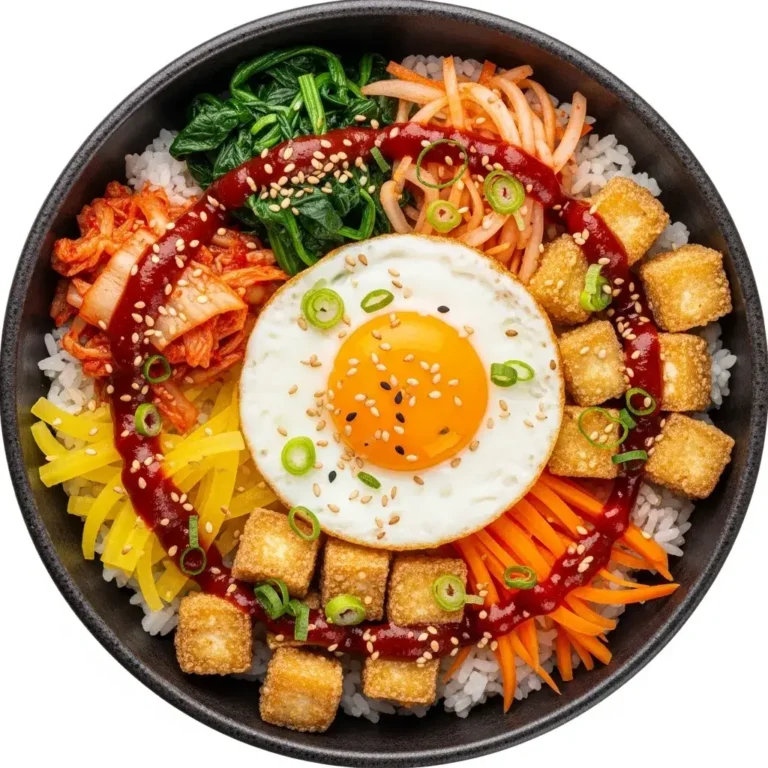
Imagine a bowl that’s a perfect, harmonious chaos: a pile of steaming white rice topped with glistening, spicy-sweet crispy tofu, a tangle of vibrant, quick-pickled vegetables, a perfectly fried egg with a runny yolk, and a final, glorious drizzle of that iconic, addictive crimson sauce. This isn’t just a meal; it’s an experience.
The Korean gochujang rice bowl (sometimes called bibimbap-inspired) is my ultimate weeknight savior, a symphony of textures and bold flavors that comes together faster than takeout. Let me show you how to build this customizable, delicious masterpiece in your own kitchen.
WHY THIS KOREAN GOCHUJANG RICE BOWL IS A WEEKNIGHT GAME-CHANGER
This Korean gochujang rice bowl is the answer to “What’s for dinner?” when you want something exciting without the hassle.
- First, it’s incredibly versatile. The formula is simple: rice + protein + veggies + gochujang sauce. Use what you have!
- Second, the gochujang sauce is the superstar. It’s a complex, fermented blend of sweet, spicy, savory, and umami that ties everything together magically.
- Third, it’s surprisingly balanced. You get heat, crunch, freshness, and creaminess in every bite.
- Finally, it’s fast and efficient. Most components cook simultaneously, meaning you can have a restaurant-worthy bowl on the table in about 20 minutes.
Korean Gochujang Rice Bowl: Your 20-Minute Ticket to Bold, Comforting Flavor
- Total Time: 30 minutes
- Yield: 2 bowls
Description
A quick and flavorful Korean-inspired rice bowl featuring savory, spicy gochujang sauce, fluffy rice, and customizable toppings.
Ingredients
- Cooked white rice
- Gochujang
- Soy sauce
- Sesame oil
- Sugar or honey
- Garlic, minced
- Vegetable oil
- Protein of choice (chicken, beef, tofu, or eggs)
- Vegetables (spinach, carrots, zucchini, mushrooms, or kimchi)
- Sesame seeds
- Green onions
Instructions
- 1. Cook rice according to package instructions and keep warm.
- 2. In a small bowl, mix gochujang, soy sauce, sesame oil, sugar, and garlic to make the sauce.
- 3. Heat vegetable oil in a skillet over medium heat.
- 4. Cook protein of choice until fully cooked and lightly browned.
- 5. Add vegetables to the pan and sauté until tender.
- 6. Stir in the gochujang sauce and cook briefly until everything is well coated.
- 7. Assemble bowls with rice on the bottom.
- 8. Top with gochujang mixture, then garnish with sesame seeds and green onions.
- 9. Serve hot.
Notes
- Adjust the amount of gochujang to control spice level.
- A fried egg on top is a classic and delicious addition.
- Leftover vegetables work well in this bowl.
- Prep Time: 15 minutes
- Cook Time: 15 minutes
- Category: Main Course
- Method: Stovetop
- Cuisine: Korean
Nutrition
- Serving Size: 1 bowl
- Calories: 520
- Sugar: 8g
- Sodium: 980mg
- Fat: 18g
- Saturated Fat: 4g
- Unsaturated Fat: 13g
- Trans Fat: 0g
- Carbohydrates: 62g
- Fiber: 4g
- Protein: 22g
- Cholesterol: 75mg
Keywords: gochujang rice bowl, Korean rice bowl, spicy rice, easy Korean recipe
DECODING GOCHUJANG: THE HEART OF THE BOWL
Before we start, let’s talk about the star. Gochujang (고추장) is a Korean fermented chili paste made from chili powder, glutinous rice, fermented soybeans (meju powder), and salt. It’s thick, pungent, and deeply flavorful, not just pure heat. For this Korean gochujang rice bowl, we’ll mix it into a perfect, drizzleable sauce. Look for it in a red plastic tub or glass jar in the Asian aisle of most supermarkets.
INGREDIENTS FOR YOUR CUSTOM BOWL
The beautiful Korean gochujang rice bowl is in the build-your-own approach. Here’s your blueprint.
For the Essential Gochujang Sauce:
- 3 tbsp gochujang paste: The non-negotiable base.
- 1.5 tbsp soy sauce or tamari: For salt and umami.
- 1 tbsp rice vinegar: For brightness and balance.
- 1 tbsp honey or maple syrup: To counteract the heat with sweetness.
- 1 tbsp toasted sesame oil: For nutty aroma.
- 1 tsp fresh grated ginger
- 1 clove garlic, minced
- 1-2 tbsp warm water: To thin to a drizzle-able consistency.
For the Bowl Base & Components:
- Rice: 2 cups cooked short-grain white rice, brown rice, or quinoa.
- Protein (Choose 1): 1 block extra-firm tofu (pressed and cubed), ½ lb ground beef or pork, or 2 chicken breasts (sliced).
- Veggies (Choose 2-3): 2 cups spinach, sliced mushrooms, shredded carrots, zucchini, or bean sprouts.
- Toppings: 2 fried or soft-boiled eggs, sliced green onion, toasted sesame seeds, sheets of roasted seaweed (gim/kim), quick-pickled cucumbers or radishes.
TOOLS YOU’LL WANT
A large skillet or wok, a small bowl for whisking sauce, a pot for rice, and basic cutting tools. That’s it!
STEP-BY-STEP: BUILDING YOUR KOREAN GOCHUJANG RICE BOWL
Let’s assemble your Korean gochujang rice bowl layer by layer for maximum flavor and texture.
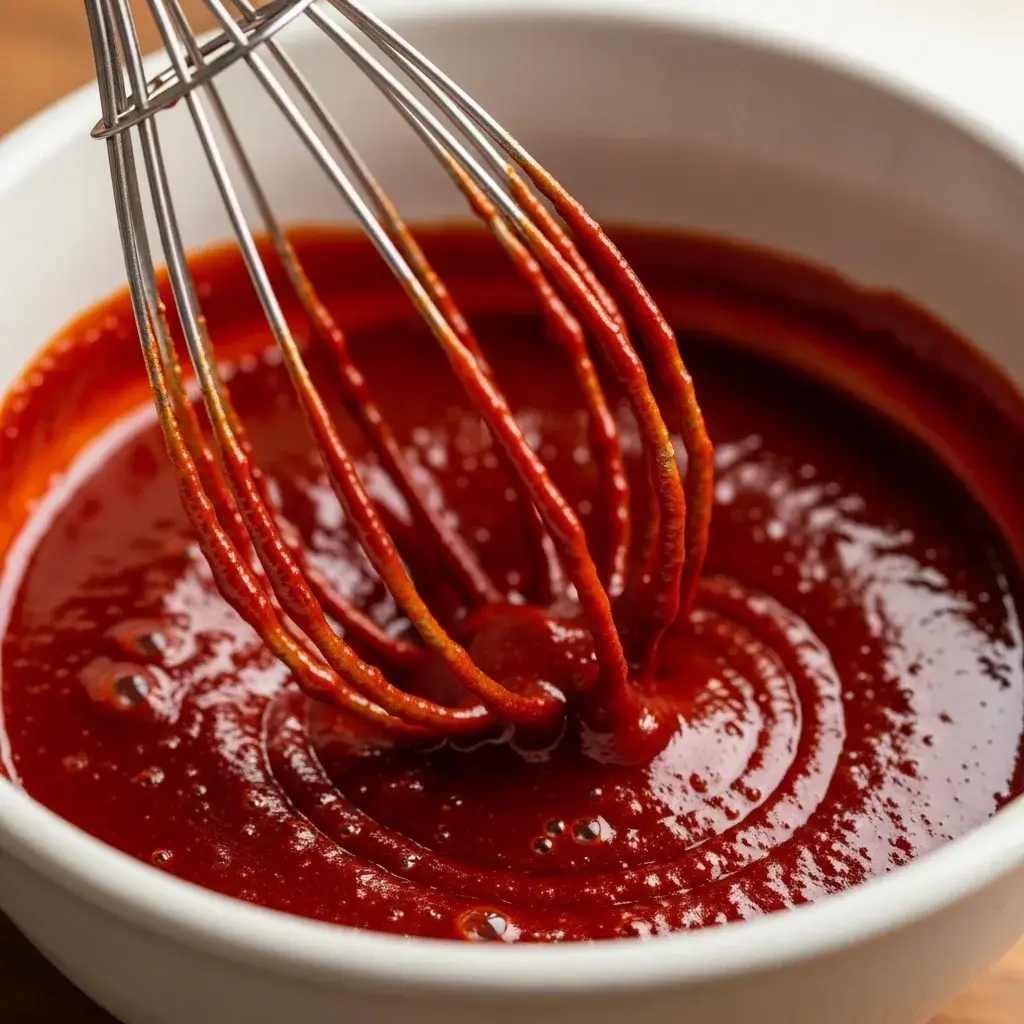
1. WHISK THE MAGIC SAUCE
In a small bowl, combine all the sauce ingredients: gochujang, soy sauce, rice vinegar, honey, sesame oil, ginger, and garlic. Whisk until completely smooth. Add warm water, a tablespoon at a time, until it reaches a thick but pourable consistency. Taste and adjust add more honey for sweetness or a splash of vinegar for tang.
2. PREPARE YOUR PROTEIN
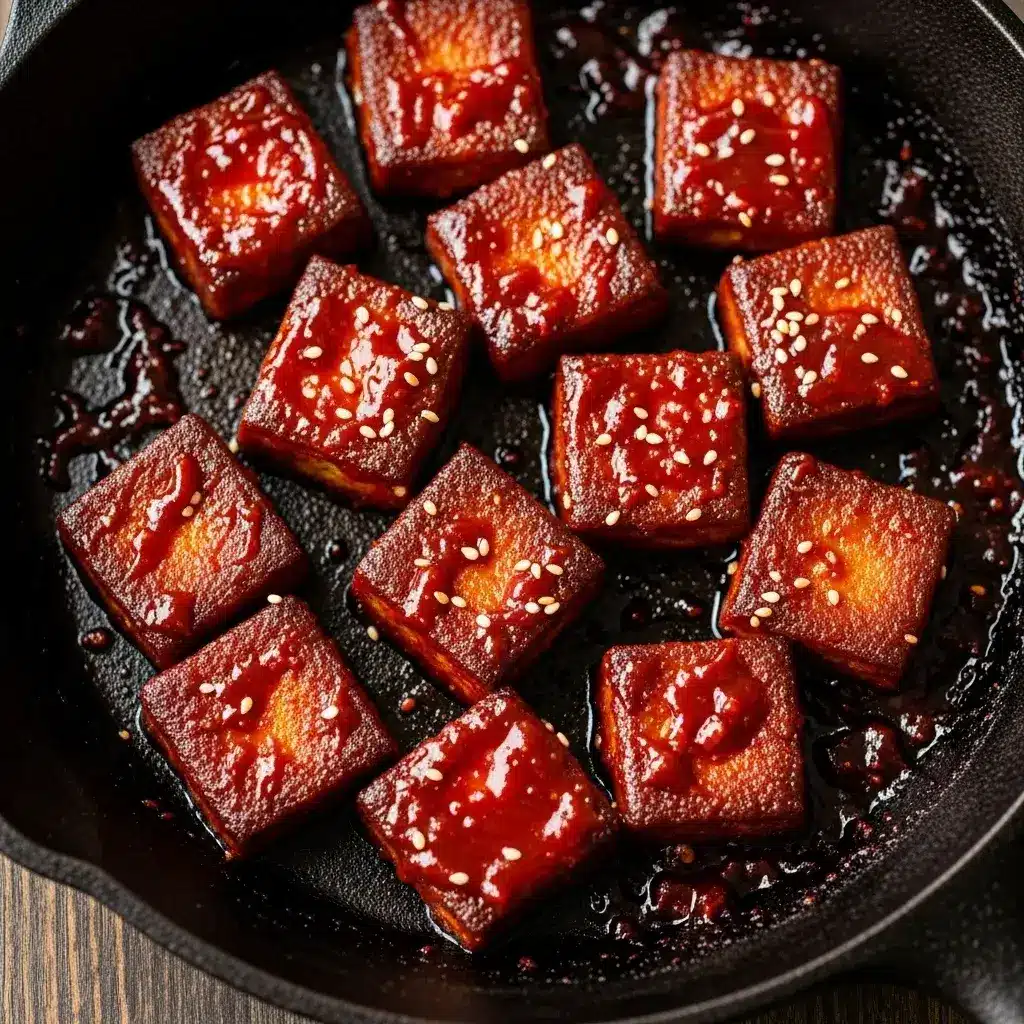
For Crispy Tofu: Toss pressed, cubed tofu in 1 tbsp cornstarch and 1 tbsp of the gochujang sauce. Pan-fry in oil over medium-high heat until crispy on all sides.
For Ground Meat: Sauté in a skillet until browned, then add 2-3 tbsp of the gochujang sauce and cook until glazed.
For Chicken or Beef Strips: Sauté until cooked through, then toss with the sauce.
3. SALTÉ THE VEGETABLES
In the same skillet (add a bit more oil if needed), quickly sauté your chosen vegetables over high heat. For spinach, just wilt it. For carrots or mushrooms, cook until tender-crisp. Season lightly with a pinch of salt.
4. FRY THE EGGS
In a separate non-stick pan, fry your eggs sunny-side up or over-easy, keeping the yolk runny. The creamy yolk acts as a rich, additional sauce for the rice bowl.
5. ASSEMBLE AND DRIZZLE
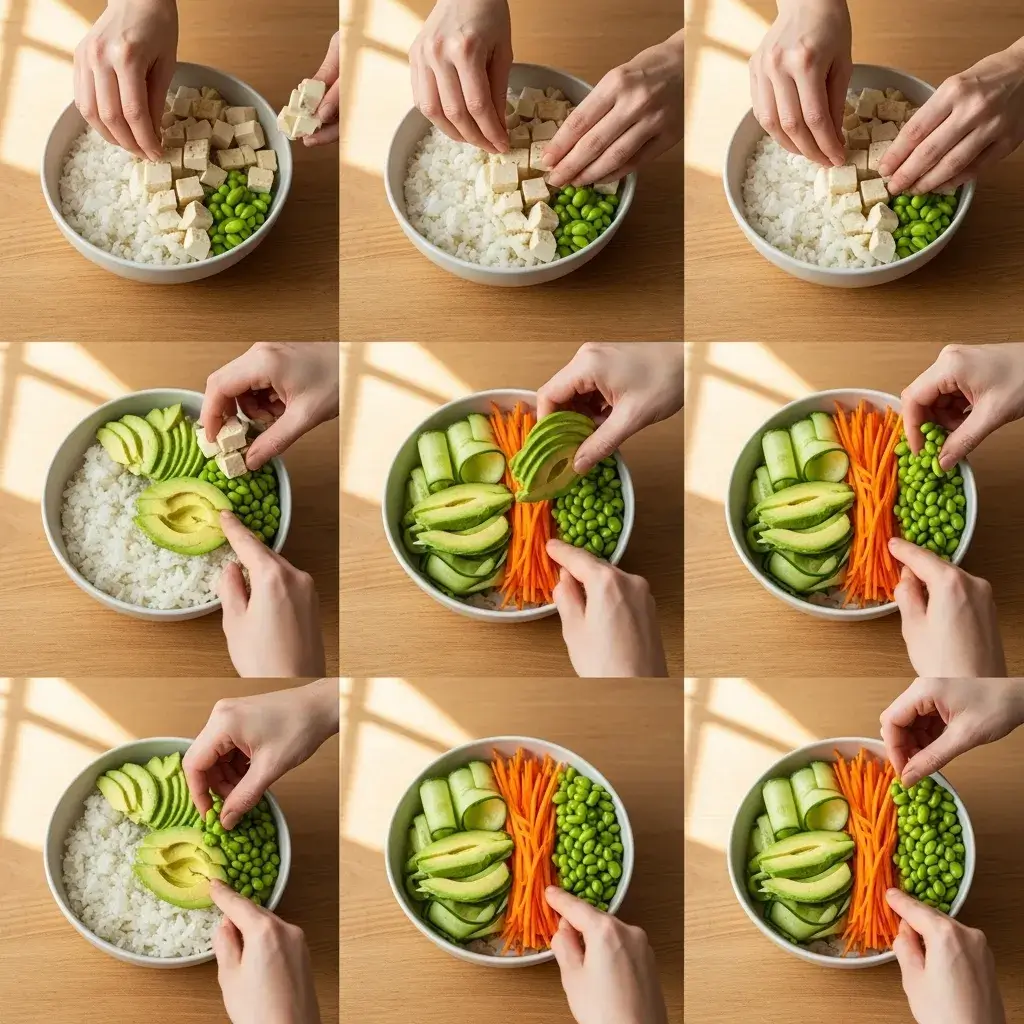
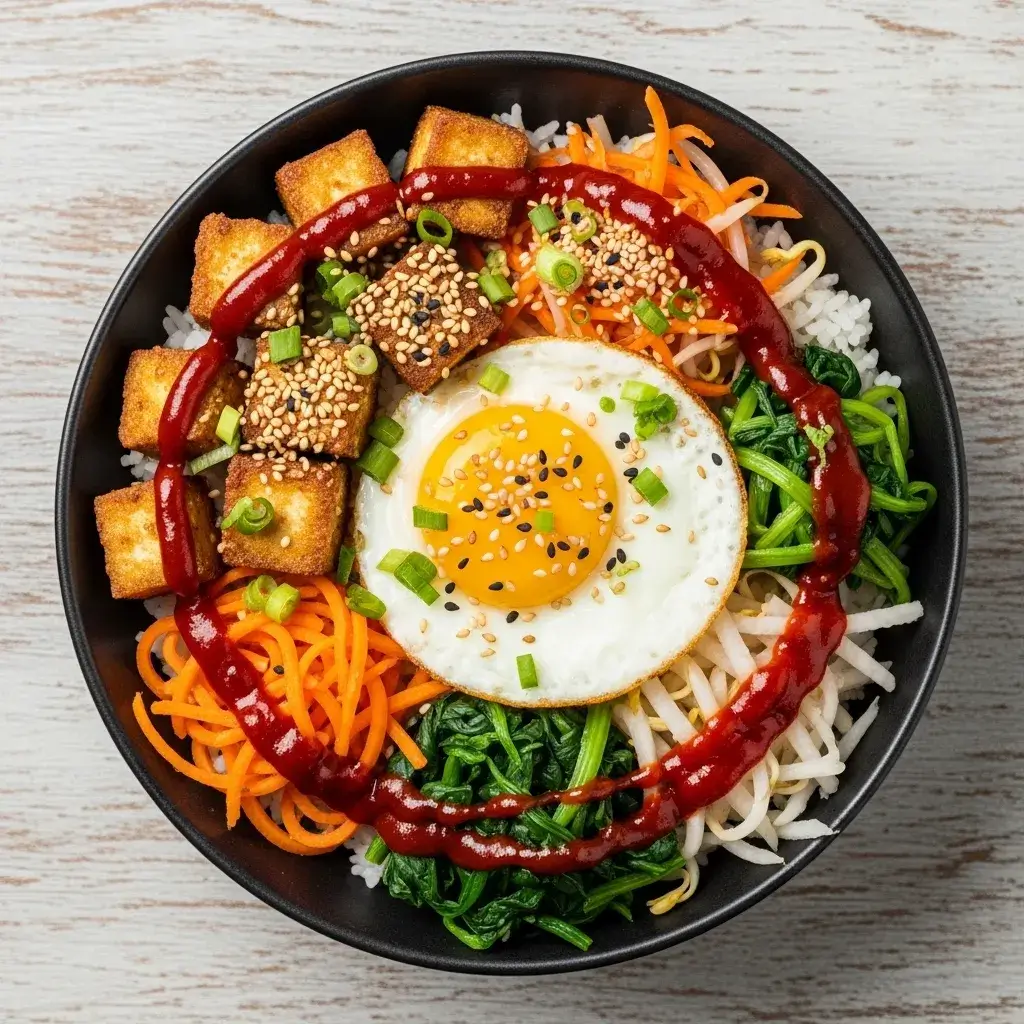
Divide hot rice between bowls. Arrange your cooked protein and sautéed vegetables neatly over the rice. Place the fried egg on top. Garnish generously with green onion, sesame seeds, and seaweed. Finally, drizzle the remaining gochujang sauce liberally over everything.
THE SECRET TO THE PERFECT BOWL: TEXTURE & SAUCE
The magic of a great Korean gochujang rice bowl lies in contrast. Ensure you have a mix of hot (rice, protein), cool (quick-pickles), creamy (egg yolk), and crunchy (sesame seeds, fresh veg) elements. And don’t be shy with the sauce! It’s the flavor engine. Make a double batch; it keeps for weeks in the fridge and is incredible on eggs, noodles, or as a dip.
VARIATIONS YOU’LL LOVE
- Bibimbap Style: Use a stone bowl (dolsot) to get a crispy, scorched rice layer at the bottom.
- Spicy Pork Bowl (Daeji Bulgogi): Marinate thin pork slices in a double batch of the gochujang sauce before stir-frying.
- Vegetarian Power Bowl: Use crispy tofu and add roasted sweet potato and kimchi.
MAKE-AHEAD & STORAGE TIPS
- Sauce: Can be made and stored in an airtight jar in the fridge for up to 3 weeks.
- Components: Cooked protein, rice, and pre-chopped veggies can be stored separately for 3-4 days for easy bowl assembly.
- Leftover Assembled Bowls: Store without the egg. Reheat gently and top with a fresh fried egg.
TROUBLESHOOTING COMMON QUESTIONS
- “My sauce is too thick.” Simply whisk in more warm water, a teaspoon at a time.
- “It’s too spicy for me.” Balance the heat by adding more honey and a tablespoon of mayonnaise or Greek yogurt to the sauce to mellow it.
- “What if I can’t find gochujang?” It’s essential for authentic flavor. Look in Asian markets or order online. A very imperfect substitute would be mixing Sriracha with a bit of fermented bean paste or miso.
- “My rice isn’t sticky enough.” Short-grain or “sushi” rice is best for that perfect sticky texture that holds the bowl together.
A PERSONAL NOTE: MY GO-TO COMFORT FOOD
This Korean gochujang rice bowl is more than a recipe for me; it’s my kitchen’s reset button. After a long day, the act of chopping, sizzling, and assembling this colorful bowl is meditative. And that first bite where the spicy, sweet sauce mixes with the rich egg yolk and crunchy veg never fails to hit the spot. It’s customizable for each family member, always delicious, and feels like a treat.
FINAL CHECKLIST BEFORE YOU COOK
- Gochujang sauce is whisked and tasted.
- Rice is cooked and hot.
- Protein and veggies are prepped and ready to sauté.
- Eggs are ready to fry.
FREQUENTLY ASKED QUESTIONS
Is gochujang sauce very spicy?
It has a moderate, building heat that’s balanced by fermentation sweetness. The heat level varies by brand. Our sauce recipe balances it with sweet and acidic elements, making it flavorful rather than painfully hot.
Can I make this gluten-free?
Yes! Use tamari instead of soy sauce and ensure your gochujang brand is certified gluten-free (some use wheat in fermentation).
What’s the best vegetable for quick-pickling?
Thinly sliced cucumbers or radishes. Combine ½ cup rice vinegar, 2 tbsp sugar, and 1 tsp salt in a jar. Add veggies and let sit for at least 20 minutes.